Fundamentals · Chapter 7 of 12
Choosing weight plates
It’s tempting to compare sets by total weight alone. The plate type, thickness and smaller increments deserve a look too.
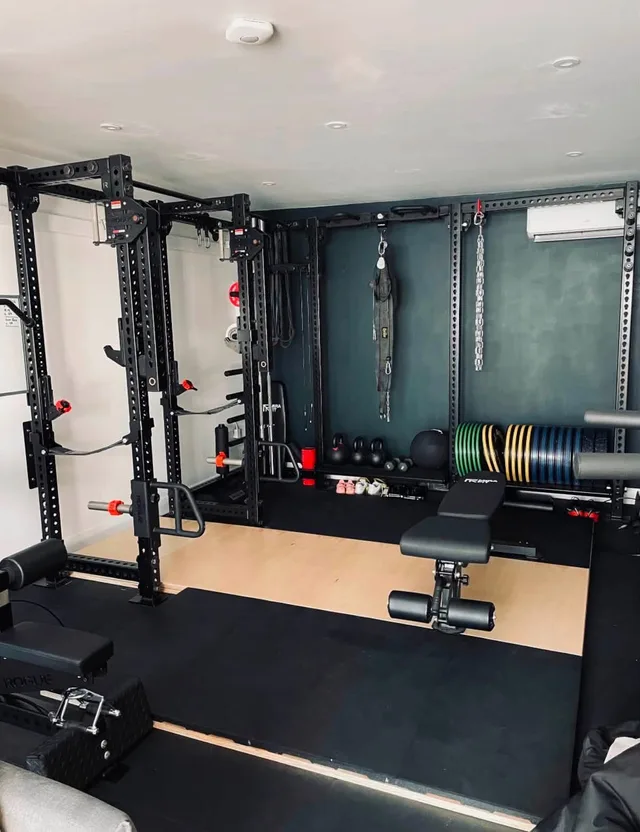
Not every rubber plate is a bumper
Iron and steel plates, rubber-coated plates and bumpers serve different purposes. Bumpers are designed for uses that can include dropping a loaded bar, within the manufacturer’s limits. Putting a rubber coating around an iron plate doesn’t turn it into one.
Choose for the lifts you do and the floor you’ll do them on. The bar, plates and flooring need to suit the same use. Even with appropriate kit, you still have noise, bounce and the building underneath to think about.
Will the weight you want fit on the bar?
First, match the plate hole to your bar’s sleeve. Then look at thickness. A set of bulky plates can fill the sleeves before you reach the load you wanted, particularly on a shorter bar. Leave room for collars too.
Plate diameter matters for lifts starting from the floor. Don’t assume every weight in a set has the same diameter, or that two brands use identical dimensions. If you’re mixing sets, compare the measurements and the intended use of the combination.
Don’t forget the small ones
Write out a few loads you use and work out which pairs of plates make them, including the bar’s own weight. Small change plates can make a set much more useful. The largest pair in the shop won’t help you make a small increase next week.
Compare the price for the quantity you’ll receive: single, pair or full set. Add delivery and somewhere to store them. With used plates, inspect the condition and centre inserts, and confirm exactly which weights are included. A photo of a large pile isn’t quite an inventory.
- Correct hole size for the bar.
- Enough sleeve space for the intended load and collars.
- Useful pairs and small weight increments.
- A storage position that doesn’t obstruct training.
Sources & further reading
Source pages checked 24 October 2026.
Something missing? Send a suggestion or correction.