Fundamentals · Chapter 3 of 12
What should you budget for a home gym?
The equipment price is only part of it. Work out what the whole setup will cost, then decide what can wait.
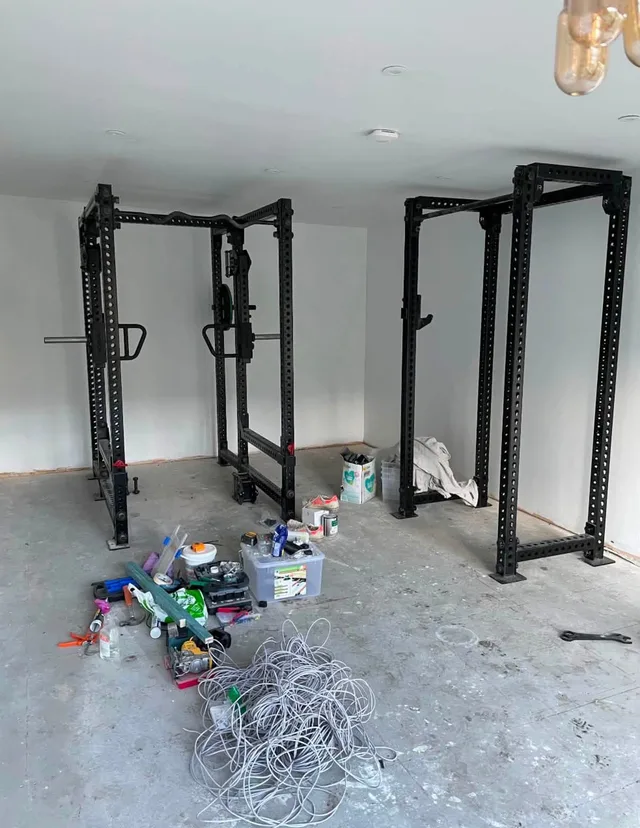
Start with your gym, not someone else’s
A dumbbell corner and a room built around two power racks are very different shopping lists. There isn’t a useful single price for “a home gym”. Work backwards from the sessions you want to do and the space you have.
Split the list into needed now, useful later and purely because you fancy it. No judgement on that last column. Add flooring, storage, delivery and any room preparation before deciding how much is left for the equipment.
- Equipment, safeties and required mounting parts.
- Flooring, storage and room preparation.
- Delivery, assembly and any required professional work.
- A reserve for costs you haven’t pinned down yet.
Price the version you actually want
Rack photos have a habit of looking wonderfully complete. The starting price may cover rather less. Write down the exact version, what’s included and whether the price is for one item, a pair or a set.
A taller rack, bigger stack or extra pair of uprights can change the total considerably. Use the catalogue to build your shortlist, then confirm the retailer’s current basket price and delivery terms. Keep the date with any quote: a price you saw last month isn’t necessarily the price you’ll pay today.
Second-hand can be worth a look
One of my Rogue Monster racks came from eBay for £400. That was my purchase, not a price to expect whenever you go looking, but it’s a good reason to keep an eye on used kit.
Allow for collection, dismantling, transport and missing parts. Ask for the model details and photos of wear or damage before travelling, then inspect it properly. A bargain becomes less convincing if you need a van, a box of replacement fixings and half a day to collect it. Spend first on a complete setup you’ll use; the upgrades can wait.
Something missing? Send a suggestion or correction.